
Table of Contents
1. Use Anti-Dandruff Shampoo
Choosing the right shampoo is crucial for treating dandruff. Look for anti-dandruff shampoos containing active ingredients like zinc pyrithione, ketoconazole, selenium sulfide, or coal tar. These ingredients help reduce the growth of yeast and fungus on the scalp, which are common causes of dandruff.
2. Wash Your Hair Regularly
Maintaining good scalp hygiene is essential for managing dandruff. Wash your hair regularly with a gentle shampoo to remove excess oil, dirt, and dead skin cells from the scalp. However, avoid overwashing, as it can strip the scalp of its natural oils and exacerbate dandruff.
3. Massage Your Scalp
Regular scalp massage can help improve blood circulation and promote a healthy scalp. Use your fingertips to gently massage your scalp while shampooing to loosen flakes and stimulate oil production.
4. Try Natural Remedies
Several natural remedies can help alleviate e2-e4.tv/ symptoms. These include:
- Apple Cider Vinegar: Dilute apple cider vinegar with water and use it as a rinse after shampooing to restore the scalp’s pH balance and reduce dandruff.
- Tea Tree Oil: Tea tree oil has antifungal properties that can help reduce dandruff. Mix a few drops of tea tree oil with your shampoo or dilute it with a carrier oil and massage it into your scalp.
- Coconut Oil: Massaging coconut oil into the scalp can help moisturize and soothe dry, flaky skin. Leave it on for a few hours or overnight before shampooing.
5. Manage Stress
Stress can exacerbate dandruff symptoms, so it’s essential to manage stress levels effectively. Practice stress-reducing techniques such as meditation, deep breathing exercises, or yoga to promote relaxation and reduce dandruff flare-ups.
6. Maintain a Healthy Diet
A balanced diet rich in vitamins, minerals, and antioxidants is essential for overall scalp health. Incorporate foods like fruits, vegetables, lean proteins, and healthy fats into your diet to nourish your scalp and reduce dandruff.
7. Limit Use of Hair Products
Excessive use of hair products like gels, mousses, and hairsprays can contribute to dandruff by clogging the pores on the scalp. Limit the use of these products and choose products labeled as “non-comedogenic” or “gentle” to avoid aggravating dandruff.
8. Seek Professional Help if Necessary
If over-the-counter remedies and home treatments do not effectively manage your dandruff, consult a dermatologist or healthcare professional. They can prescribe medicated shampoos or treatments tailored to your specific condition.
Conclusion
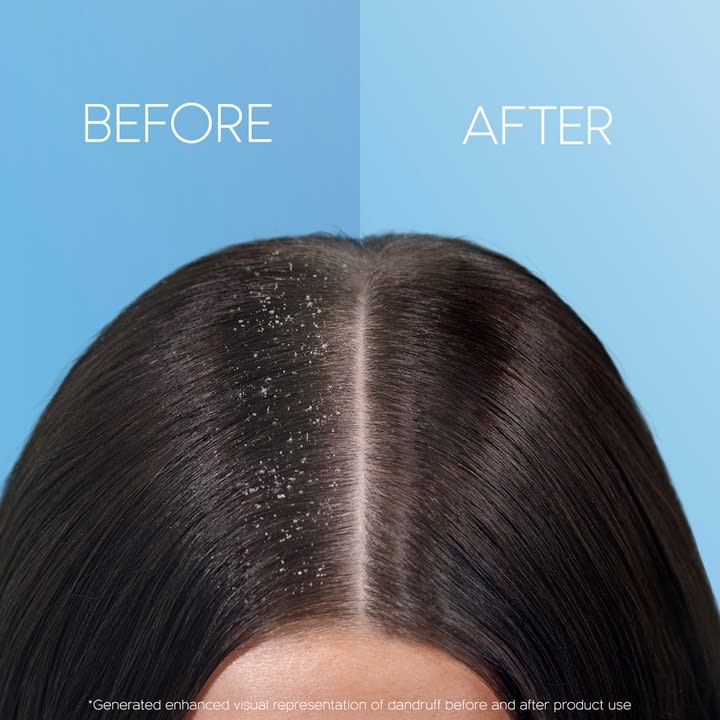
Dandruff can be a persistent and bothersome scalp condition, but it’s manageable with the right approach. By following these tips and remedies, you can effectively get rid of dandruff and achieve a healthy, flake-free scalp.
FAQs on Getting Rid of Dandruff
- Is dandruff contagious?
- No, dandruff is not contagious. It is a common scalp condition caused by factors like yeast overgrowth, dry skin, or sensitivity to hair products.
- Can dandruff be cured permanently?
- While dandruff can be managed effectively with proper treatment and maintenance, it may recur periodically. Consistent scalp care and lifestyle adjustments can help prevent flare-ups.
- Does washing hair with hot water worsen dandruff?
- Washing hair with hot water can strip the scalp of its natural oils and exacerbate dandruff. It’s best to use lukewarm water for washing hair to avoid drying out the scalp.
- Can hormonal changes affect dandruff?
- Yes, hormonal changes, such as those occurring during puberty, pregnancy, or menopause, can affect oil production in the scalp and contribute to dandruff flare-ups.
- Are there any foods that can worsen dandruff?
- Some studies suggest that foods high in sugar, unhealthy fats, and dairy products may exacerbate dandruff symptoms in some individuals. However, more research is needed to establish a direct link.