
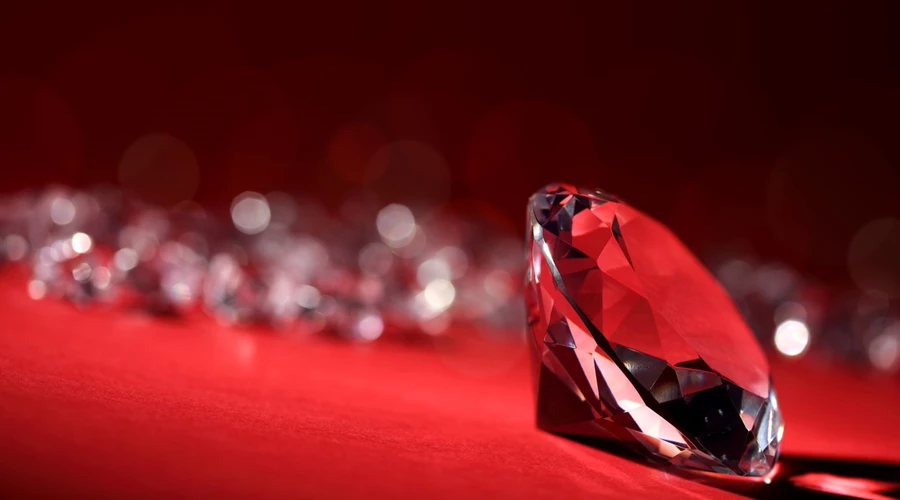
When you think of a diamond, you probably imagine glamour, commitment, or even a little bit of fairy-tale magic. But, honestly, the truth behind some of these stones is far less romantic. If you’ve ever asked yourself, “what are blood diamonds?” brace yourself — it’s a story that mixes beauty with heartbreak.
Blood diamonds, also called conflict diamonds, are mined in war zones and sold to fund armed conflict. People working in these mines often face dangerous conditions, low pay, and, in the worst cases, forced labor or violence. It’s shocking, and frankly, a reminder that every purchase has consequences — even a seemingly innocent engagement ring.
Table of Contents
How Blood Diamonds End Up on the Market
You might not know this, but even with international regulations like the Kimberley Process, which is supposed to certify diamonds as conflict-free, some blood diamonds still slip through. Loopholes, falsified documents, and poor enforcement mean that the chain of custody can be murky. That dazzling stone in a store window could have a complicated story behind it, one you’d never guess just by looking.
The Human Toll Behind the Glitter
I once read about diamond miners in West Africa who were barely teenagers, working long days in hazardous tunnels just to earn a few dollars. Armed groups controlled many mines, and violence was used to maintain control. For those who think diamonds are harmless tokens of love, it’s a harsh reality check. Understanding what are blood diamonds isn’t just academic; it’s deeply human.
Lab Made Diamonds: A Modern Alternative
Thankfully, there’s a growing alternative: lab made diamonds. These are real diamonds, identical in chemical and physical structure to natural ones, but they’re grown in a lab rather than mined from conflict zones. The process is precise, environmentally friendly, and, importantly, ethical.
Visiting a jeweler who specializes in lab grown diamonds was an eye-opener for me. Seeing each stone crafted with intention made me realize that elegance and ethics don’t have to be mutually exclusive. You can have beauty without complicity — and isn’t that worth celebrating?
Changing Perceptions of Diamonds
Lab grown diamonds are more than just a practical solution. They’re slowly reshaping cultural attitudes toward jewelry. People are realizing that it’s possible to have stunning stones without contributing to human suffering or environmental degradation. Prices are often lower than mined diamonds, and technological advances mean you can even get larger, flawless stones that would otherwise cost a fortune.
Asking the Right Questions
If you’re thinking about buying a diamond — whether for an engagement, anniversary, or just because — start by asking honest questions. Where does the stone come from? Is it certified? Could it be lab made? These conversations might feel uncomfortable, but they’re essential. Knowledge is power, and every informed choice nudges the industry toward more ethical practices.
Diamonds as Stories of Values
Ultimately, diamonds are more than jewelry; they’re statements. Choosing a lab grown diamond or verifying your mined diamond’s ethical sourcing tells a story about what you value. Learning what are blood diamonds gives context, but it’s what we do with that knowledge that counts.
I remember holding a lab grown diamond in my hand, marveling at the sparkle, and thinking: “This could have been a blood diamond, but it isn’t. And that matters.” Small choices like these ripple outward in ways we often don’t see, but the impact is real.
Making Your Sparkle Meaningful
Next time you admire a diamond, take a moment to reflect. It’s not just about aesthetics; it’s about ethics, history, and consciousness. Choosing lab grown diamonds lets you celebrate beauty without harm — and honestly, that feels like a story worth telling at every occasion.