
Table of Contents
I. Introduction to SDLC
A. Definition
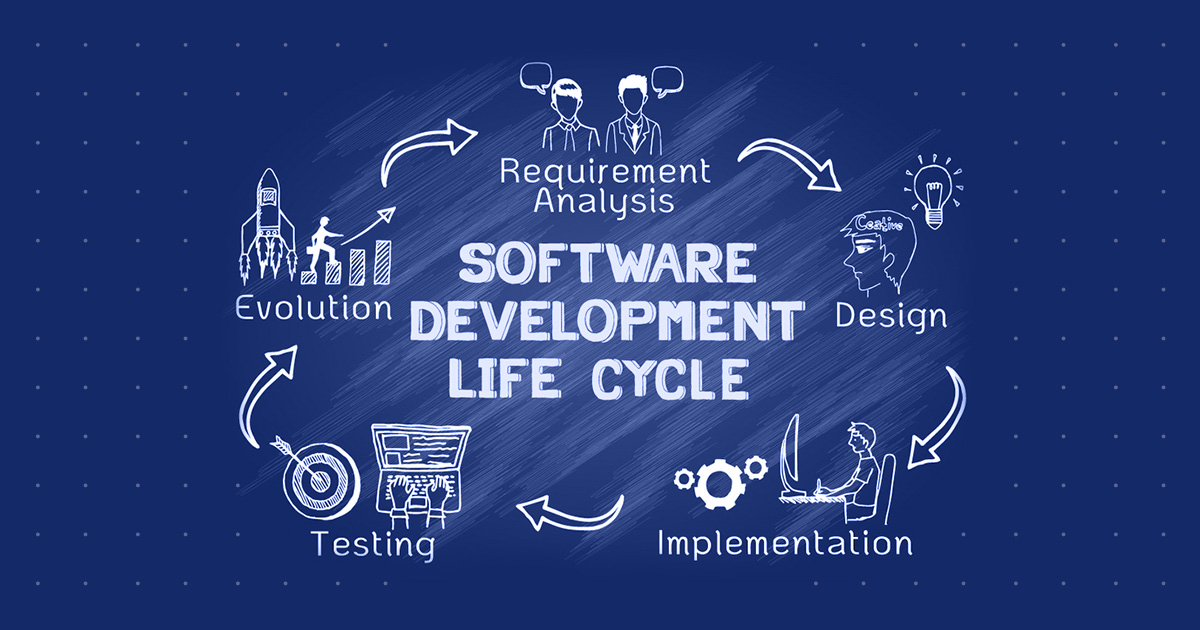
The Software Development Life Cycle (SDLC) is a structured process that outlines the steps involved in designing, creating, testing, and deploying software applications. It provides a framework for developers to ensure the delivery of high-quality software that meets client requirements.
B. Importance
SDLC is crucial for managing the software development process efficiently. It helps in minimizing risks, reducing errors, and ensuring the final product aligns with client expectations. Following a standardized life cycle contributes to a smoother development journey.
II. Phases of SDLC
A. Planning
The planning phase involves defining the scope, objectives, timelines, and resources required for the project. It lays the foundation for the entire development process.
B. Requirement Analysis
In this phase, developers gather and analyze requirements from stakeholders. Clear understanding of client needs ensures the software aligns with business goals.
C. Design
The design phase involves creating a blueprint for the software based on gathered requirements. System architecture, user interface, and database design are crucial components of this phase.
D. Implementation (Coding)
Coding is where developers bring the design to life. They write code following best practices and coding standards. Regular code reviews are conducted to maintain quality.
E. Testing
Testing is a critical phase to identify and rectify defects in the software. It includes unit testing, integration testing, system testing, and user acceptance testing.
F. Deployment
Once testing is successful, the software is deployed to the production environment. Deployment involves releasing the software for end-users.
G. Maintenance
The maintenance phase addresses issues discovered post-deployment. It includes bug fixes, updates, and improvements to ensure the software’s longevity.
III. Best Practices in SDLC
A. Collaboration
Effective communication and collaboration among team members, stakeholders, and clients are essential for successful SDLC implementation.
B. Iterative Development
Adopting an iterative approach allows for continuous improvement and flexibility in accommodating changes as the project progresses.
C. Quality Assurance
Implementing rigorous testing protocols at every phase ensures the delivery of a high-quality and error-free software product.
D. Documentation
Thorough documentation of each phase provides clarity and serves as a valuable reference for future development or maintenance.
IV. Agile vs. Waterfall: SDLC Methodologies
A. Agile
Agile is an iterative and flexible approach, allowing for continuous feedback and adaptation throughout the development process. It is particularly effective for projects with evolving requirements.
B. Waterfall
Waterfall is a linear and sequential approach where each phase must be completed before moving to the next. It is suitable for well-defined projects with stable requirements.
V. SDLC in Modern Software Development
A. DevOps Integration
The integration of Development and Operations (DevOps) streamlines collaboration, ensuring a seamless and automated software delivery pipeline.
B. Continuous Integration and Deployment (CI/CD)
CI/CD practices enable frequent and automated testing and deployment, reducing the time between coding and production release.
VI. Conclusion
In conclusion, the Software post.xyz/ Life Cycle is a fundamental framework that guides developers through the journey of creating software from conception to deployment. By understanding the importance of each phase and adopting best practices, development teams can enhance efficiency, reduce risks, and deliver exceptional software solutions.
For those venturing into software development, embracing the SDLC is not just a best practice; it’s a roadmap to success.